Industrial burners are designed to provide controlled heat for boilers, furnaces, dryers, and other thermal processing equipment. However, when a burner starts and stops too frequently, it can increase component wear, disrupt temperature control, and reduce overall operating efficiency.
This operating pattern is commonly known as burner short cycling. It may result from incorrect burner sizing, unstable fuel supply, control system settings, or changes in process heat demand.
Understanding the causes of frequent burner cycling helps plant operators identify potential problems and determine when professional inspection or system adjustments are required.
1. What Is Burner Short Cycling?
Burner short cycling occurs when a burner repeatedly starts and stops after relatively short operating periods instead of maintaining longer, stable firing cycles.
A burner naturally switches on and off as heating demand changes. Occasional cycling is normal, especially for systems with on/off control.
However, excessive cycling may indicate a mismatch between the burner's minimum heat output and the actual heating load.
For example, if a boiler requires relatively little heat but its burner operates at a much higher fixed firing rate, the boiler may reach its temperature or pressure setpoint quickly. The burner then shuts down, only to restart shortly afterward.
Frequent starts can increase thermal stress and wear on ignition components, valves, and other operating parts.
2. Common Causes of Frequent Burner Cycling
2.1 Oversized Burner Capacity
An oversized burner can deliver more heat than the system requires during normal operation.
This is particularly problematic when heating demand fluctuates significantly throughout the day.
Potential consequences include:
Frequent burner starts and shutdowns
Increased wear on ignition components
Unstable boiler pressure or temperature
Additional start-up and purge losses
Recommended approach:
Review the boiler's actual operating load and compare it with the burner's minimum and maximum firing rates.
For applications with variable heat demand, a suitable two-stage or modulating burner may help reduce unnecessary cycling.
2.2 Incorrect Temperature or Pressure Control Settings
Industrial boilers and heating systems typically use temperature or pressure controllers to regulate burner operation.
If the control differential is too narrow, small changes in temperature or pressure may repeatedly trigger burner start and stop commands.
Poorly positioned sensors or inaccurate measurements can also contribute to unstable control.
Recommended approach:
Have qualified personnel verify controller settings, sensor accuracy, and the operating differential against the equipment manufacturer's recommendations.
Control changes must remain within the boiler's approved operating and safety limits.
2.3 Unstable Gas Supply Pressure
Gas burners require a suitable and stable fuel supply.
Insufficient gas pressure, excessive pressure variation, or problems with the gas regulation system may interfere with reliable combustion.
Possible symptoms include:
Burner ignition failures
Flame instability
Unexpected burner lockouts
Irregular operation under high load
Recommended approach:
A qualified combustion technician should check the gas supply conditions, pressure regulation equipment, and relevant safety devices.
Gas pressure switches and safety interlocks must never be bypassed to maintain operation.
2.4 Improper Air-Fuel Adjustment
Efficient combustion depends on maintaining an appropriate relationship between fuel flow and combustion air.
Incorrect adjustment may cause unstable flames, increased carbon monoxide formation, poor combustion performance, or flame detection problems.
Recommended approach:
Combustion settings should be checked using suitable calibrated instruments and the manufacturer's commissioning procedures.
Adjustments should be performed by trained personnel rather than relying solely on visual flame appearance.
2.5 Flame Detection or Ignition System Problems
Industrial burners use flame supervision systems to verify that combustion has been established and maintained.
Problems involving ignition electrodes, flame sensors, electrical connections, or control components can cause repeated ignition attempts or safety shutdowns.
A safety lockout is different from normal load-related cycling and requires appropriate diagnosis.
Recommended approach:
Record the burner controller's fault code and operating conditions. Have qualified personnel inspect the ignition and flame supervision systems before restarting the equipment.
Repeatedly resetting a burner without identifying the cause can create serious safety risks.
3. How Burner Control Modes Affect Cycling
Different burner control systems respond to heating demand in different ways.
| Control Type | Operating Principle | Typical Application |
|---|---|---|
| Single-stage | Operates at one fixed firing level | Relatively stable, simple heating loads |
| Two-stage | Switches between low and high firing levels | Moderate load variation |
| Modulating | Adjusts firing rate within an approved range | Variable industrial heating demand |
A modulating burner can reduce cycling when its minimum stable firing rate is low enough to meet the system's reduced heating demand.
However, modulation alone does not eliminate short cycling. Burner sizing, turndown ratio, boiler capacity, and control settings must also be considered.
4. Practical Steps to Reduce Burner Short Cycling
Plant operators and maintenance teams can improve system reliability by following a structured inspection process.
Step 1: Review operating records
Record burner start frequency, run duration, load changes, and any displayed fault codes.
Step 2: Compare burner capacity with actual demand
Check whether the selected burner can operate effectively at the system's minimum heating load.
Step 3: Inspect the control system
Verify the temperature or pressure controller, sensor readings, and control logic.
Step 4: Check fuel supply conditions
Confirm that the fuel supply meets the burner's specified operating requirements.
Step 5: Arrange professional combustion testing
A qualified technician should evaluate combustion performance, flame stability, and safety operation.
Step 6: Consider equipment optimization
Where appropriate, a properly selected two-stage or modulating burner may improve load matching and reduce excessive cycling.
5. How BNTET Supports Industrial Burner Applications
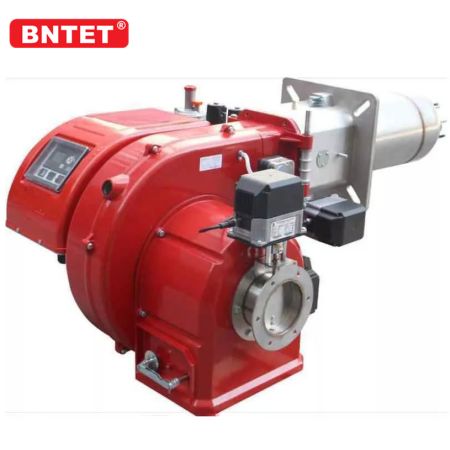
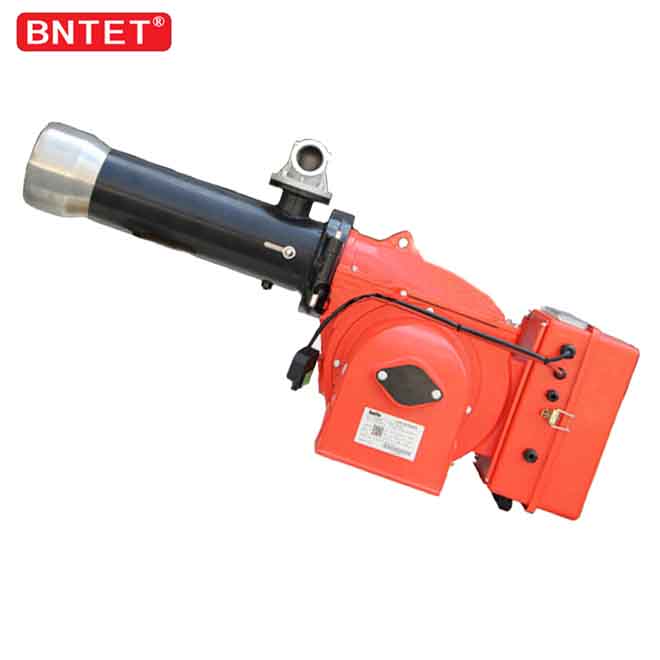
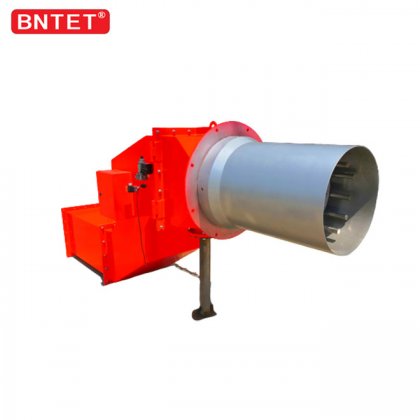
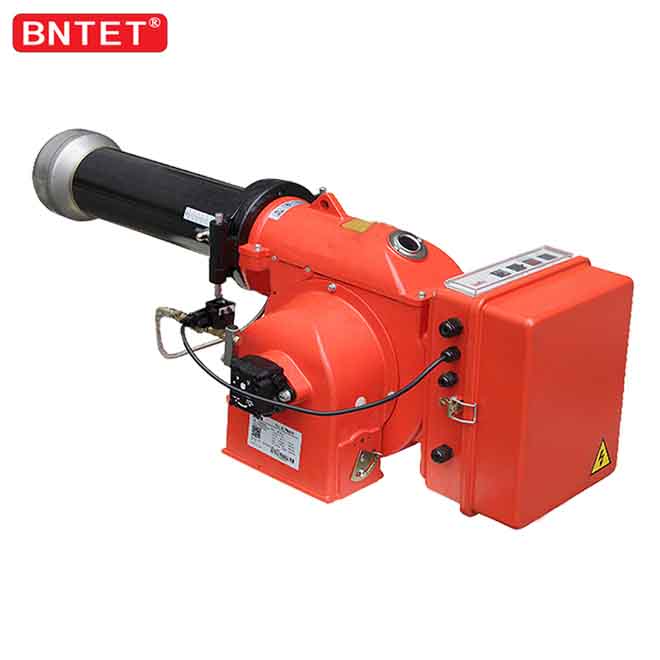
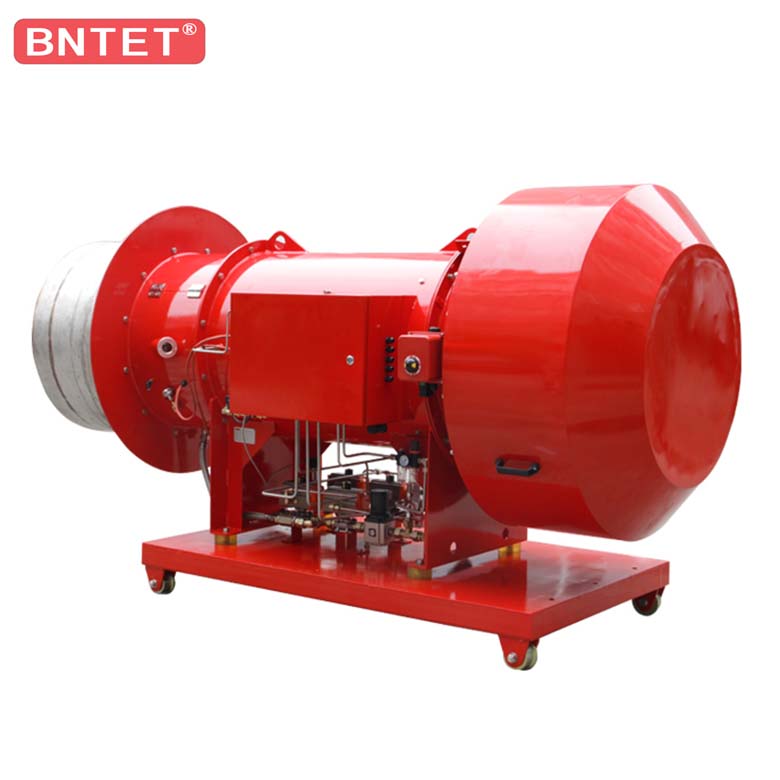
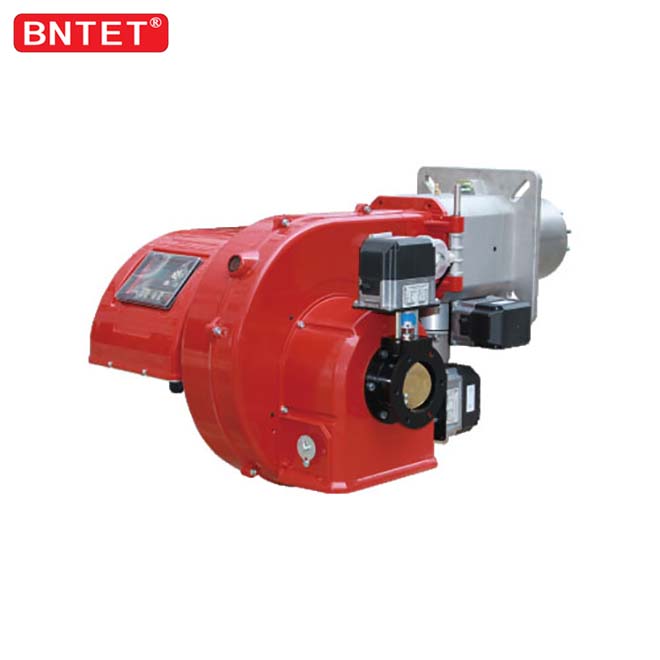
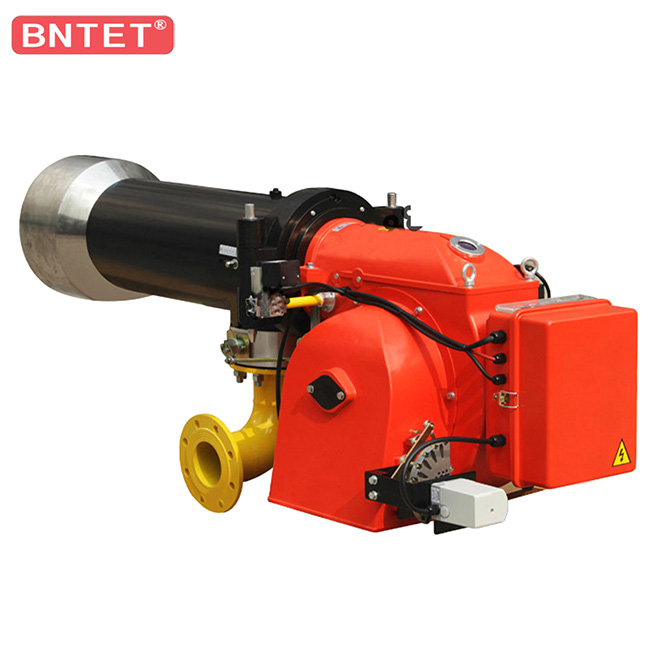
BNTET provides industrial burner solutions for boilers, furnaces, dryers, and other thermal processing equipment.
Our product range includes gas burners, oil burners, dual-fuel burners, and other application-specific combustion systems.
For projects experiencing frequent burner cycling, selecting the correct burner configuration requires an understanding of the complete heating system.
Our technical team can review information such as:
Boiler or furnace heating capacity
Fuel type and available supply pressure
Minimum and maximum operating loads
Combustion chamber dimensions
Required burner control method
Existing burner operating problems
Based on these details, BNTET can discuss suitable burner models, control configurations, and project-specific requirements.
6. Frequently Asked Questions
Is it normal for an industrial burner to turn on and off?
Yes. On/off cycling is normal for certain burner control systems. However, unusually frequent cycling may indicate a control, sizing, or operating problem.
Can an oversized burner cause short cycling?
Yes. If the burner produces more heat than the system requires, the heating setpoint may be reached quickly, causing repeated shutdowns and restarts.
Can a modulating burner reduce frequent cycling?
A properly selected modulating burner may reduce cycling by matching its firing rate to changing heating demand. The result depends on the burner's minimum output and the system's operating conditions.
What should I do if my burner repeatedly locks out?
Follow the manufacturer's safety instructions and arrange inspection by qualified personnel. Do not repeatedly reset the burner or bypass safety controls.
Conclusion
Frequent burner cycling is not always caused by a defective burner. It can result from equipment oversizing, incorrect control settings, unstable fuel supply, or a mismatch between burner output and heating demand.
Identifying the underlying cause is essential for improving reliability, reducing unnecessary wear, and maintaining safe operation.
Looking for a suitable industrial burner for your boiler or heating project?
Contact BNTET to discuss your operating requirements and explore available burner configurations.
Website: https://www.bntet-burner.com/
Email: info@bntet.com
References
U.S. Department of Energy. Minimize Boiler Short Cycling Losses.
https://www.energy.gov/eere/amo/articles/minimize-boiler-short-cycling-lossesU.S. Environmental Protection Agency. Boiler Tune-up Guide.
https://www.epa.gov/sites/default/files/2021-03/documents/tune-up_guide_revised_0.pdf