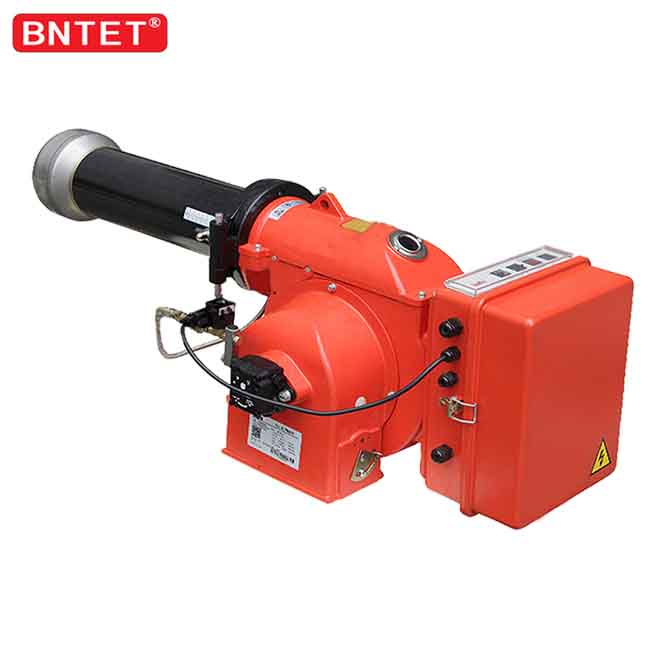
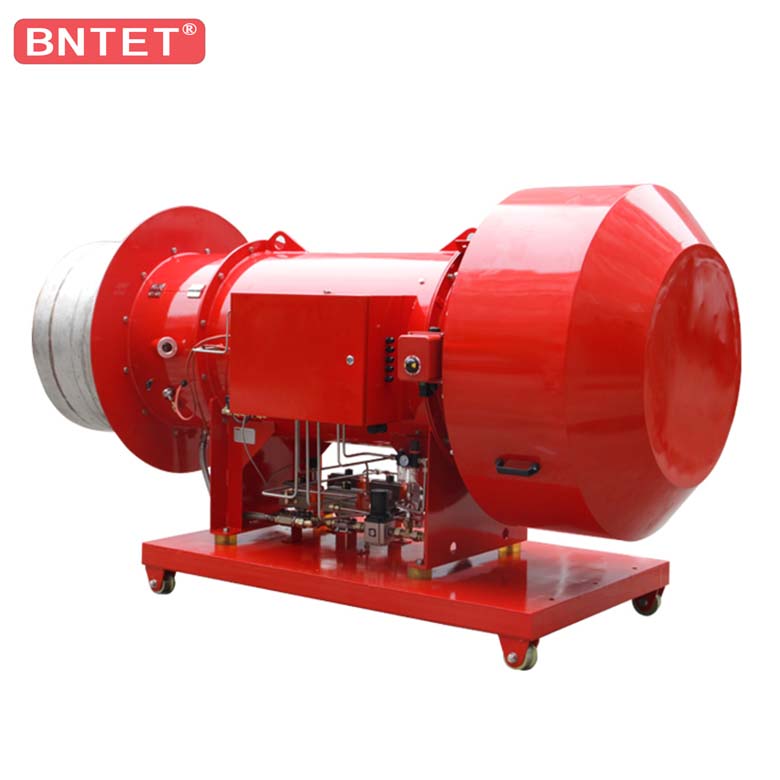
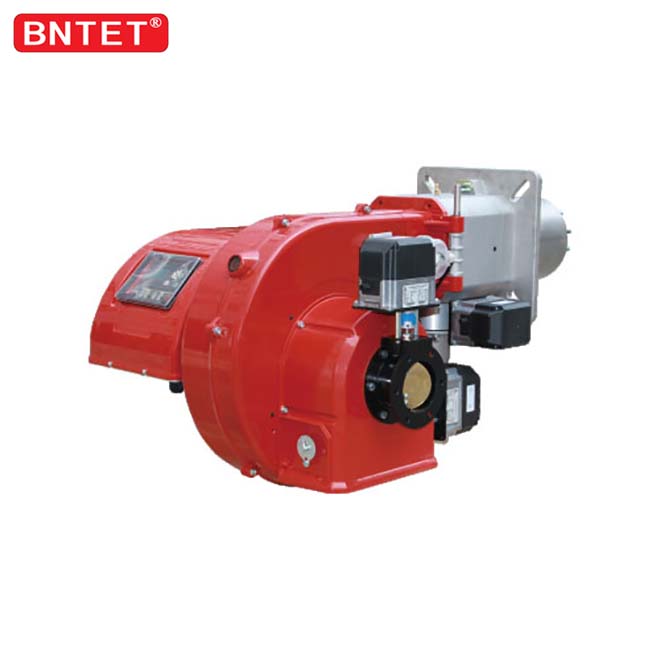
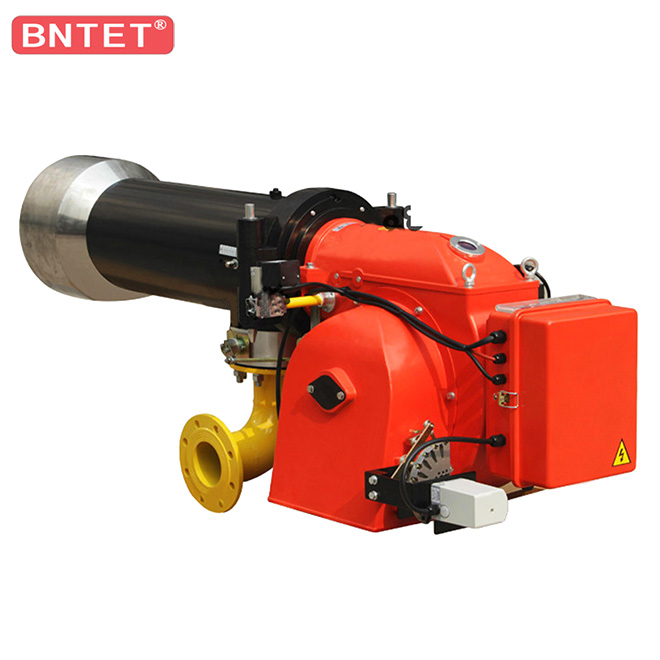
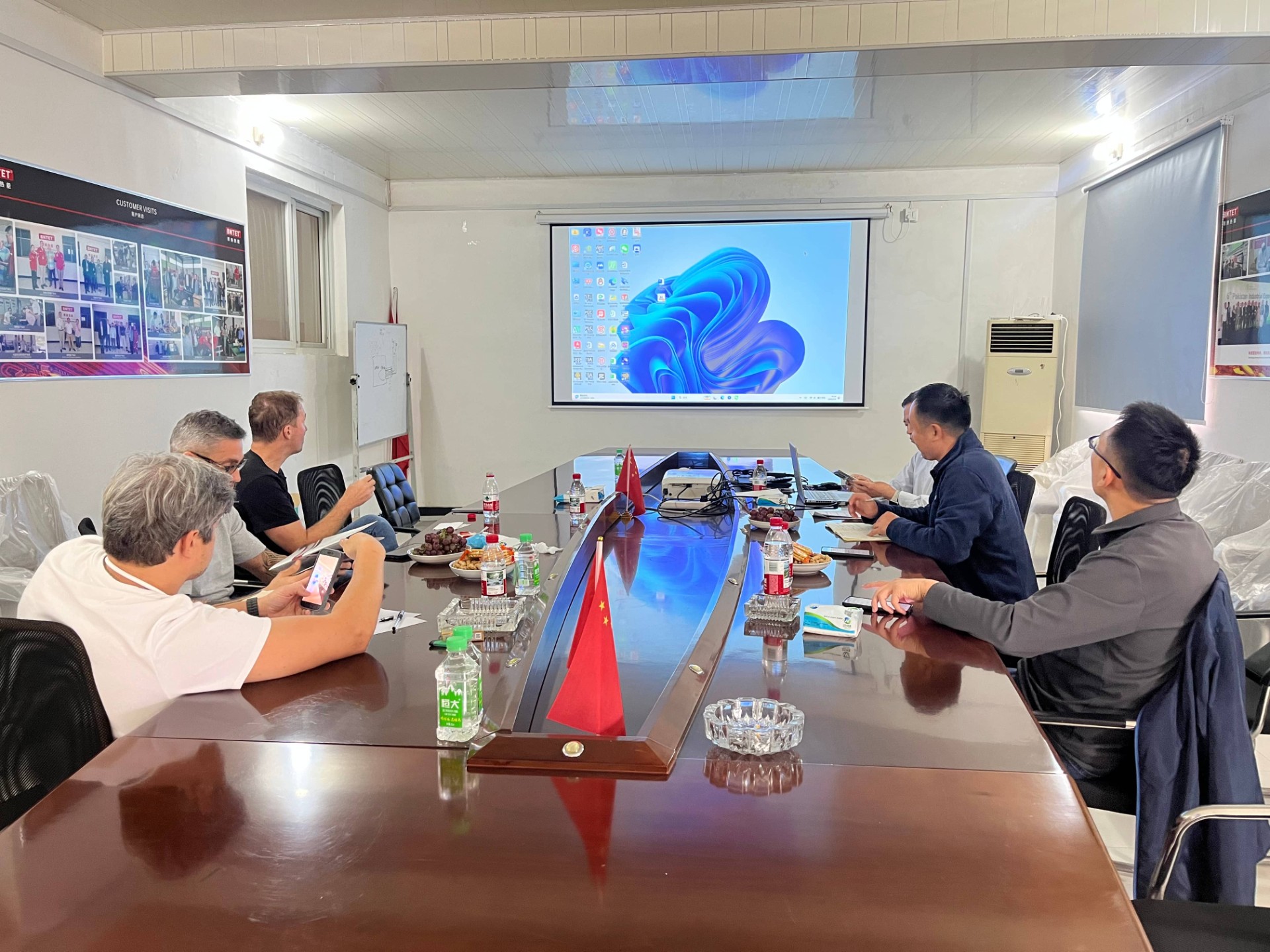
A delegation from Portugal recently visited the production facility of Zhengzhou Bona Heat Energy Equipment Co., Ltd. (BNTET) for a factory tour and technical discussions on industrial burners. The visit gave both teams an opportunity to examine how burner components are manufactured, assembled and tested, and to discuss the information needed for projects in the European market.
For boiler manufacturers and heating system integrators, choosing a burner involves more than comparing nominal power ratings. Mechanical fit, gas supply, control logic, safety functions and test documentation all affect whether a burner can be integrated into a specific heat generator. These topics formed the core of the discussions during the visit.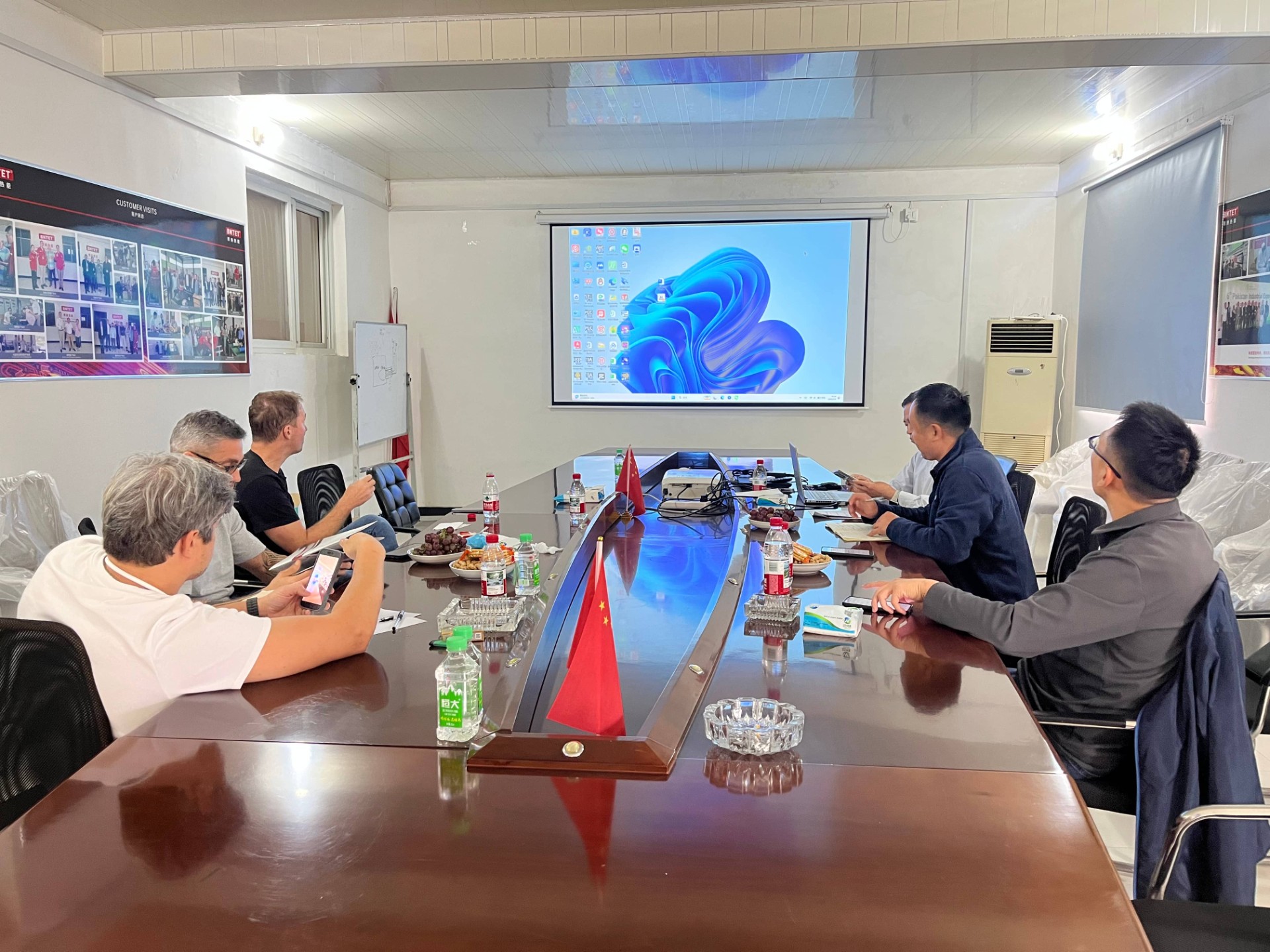
A Closer Look at Manufacturing and Assembly
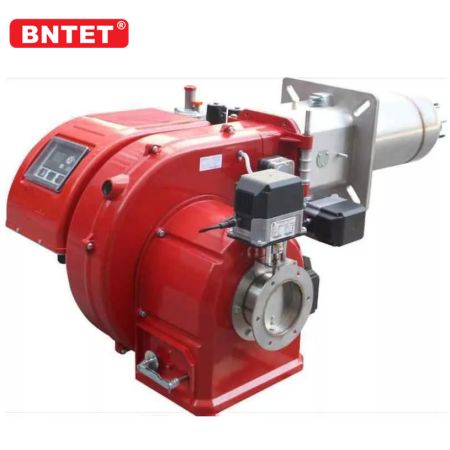
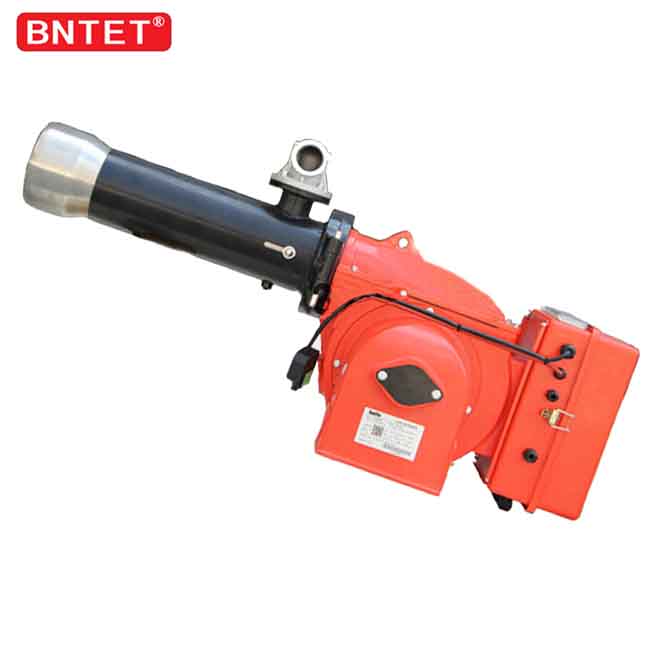
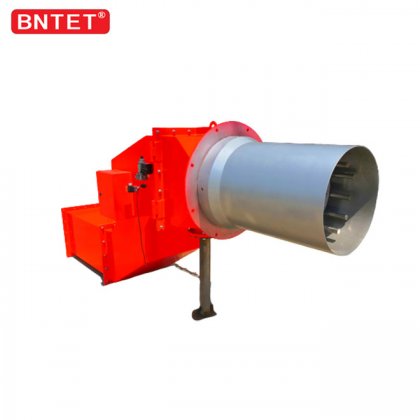
The Portuguese visitors toured BNTET’s production areas and discussed the manufacture of burner housings, fan components and other structural parts. The teams also reviewed the machining and assembly of components that influence airflow, fuel delivery and flame formation.
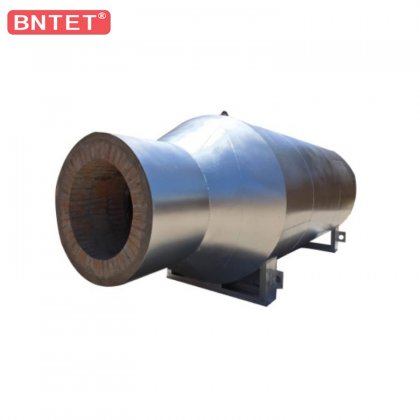
Manufacturing consistency matters when a burner must connect to a boiler front plate or work within a defined combustion chamber. Mounting dimensions, burner head geometry and component quality therefore deserve attention early in a project. The visit provided a practical setting to compare drawings, production methods and inspection records.
The delegation also reviewed gas train assembly and electrical control arrangements. Discussion covered the start-up sequence, ignition, flame supervision, gas pressure monitoring and the response to a fault. These functions should be defined for the actual burner configuration and verified through appropriate testing. EN 676:2020, a European standard for forced-draught gas burners, addresses construction, operation, control and safety devices, and test procedures. [1]
Reviewing Testing and Technical Documents
A factory test offers a chance to observe ignition, stable operation and load adjustment before shipment. During the visit, the two teams discussed how operating observations and combustion measurements can be recorded and used as a reference for subsequent on-site commissioning.
They also exchanged views on technical documents that may be needed for a European project, such as product specifications, electrical diagrams, operating instructions and test records. The exact conformity assessment and documentation requirements depend on the finished product and the EU rules that apply to it. Where CE marking is required, the manufacturer is responsible for assessing the product against applicable requirements and preparing the relevant documentation. [2][3]
A factory visit and technical exchange can help clarify these requirements. They do not, by themselves, establish that a particular burner model has completed a conformity assessment or obtained a certificate.
From Factory Discussions to Project Matching
The visit concluded with further discussions about potential cooperation for the Portuguese market. According to BNTET’s original visit report, the parties expressed an intention to continue working together on model selection, technical documentation and preparation for initial projects. Specific product configurations and commercial terms remain subject to project-level confirmation.
For a practical burner proposal, BNTET needs the heat generator type, required firing range, fuel specifications, available gas pressure, combustion chamber dimensions, electrical supply, control interface and any project-specific emissions requirements. These inputs allow the engineering teams to review the match between the burner and the complete heating system.
Combustion performance also depends on commissioning. The U.S. Department of Energy notes that excessive combustion air increases heat loss through the exhaust, while insufficient air can lead to incomplete combustion. Final settings and measured results must therefore be checked on the installed equipment. [4]
Working with BNTET
BNTET welcomes technical discussions with boiler manufacturers, engineering contractors and industrial users. If you are planning a new boiler project or a burner replacement, share your project conditions with our team. We can discuss suitable configurations, required interface details and the documents needed for the next engineering review.
Contact BNTET to arrange a technical discussion or a factory visit.
Frequently Asked Questions
What should a customer review during an industrial burner factory visit?
Review manufacturing and assembly processes, key components, safety controls, test procedures and the availability of project-specific technical documents.
Does a factory visit confirm compliance with EU requirements?
No. Applicable requirements must be identified for the actual product, followed by the appropriate conformity assessment and documentation process. [2][3]
What information helps BNTET select a burner for a boiler?
Share the required firing range, fuel and supply pressure, furnace dimensions and back pressure, mounting details, electrical supply, control needs and emissions requirements.
References (English Sources)
British Standards Institution (BSI). BS EN 676:2020 — Forced draught burners for gaseous fuels. https://knowledge.bsigroup.com/products/forced-draught-burners-for-gaseous-fuels-1
European Commission, Your Europe. CE marking – obtaining the certificate, EU requirements. https://europa.eu/youreurope/business/product-rules-compliance/general-product-compliance/ce-marking/index_en.htm
European Commission, Your Europe. Preparing technical documentation. https://europa.eu/youreurope/business/product-requirements/compliance/preparing-technical-documentation/index_en.htm
U.S. Department of Energy. Improve Your Boiler's Combustion Efficiency. https://www.energy.gov/eere/amo/articles/improve-your-boilers-combustion-efficiency
Publishing Note (remove before publishing)
The supplied page currently shows a browser title and meta description about low-NOx combustion technology, while the article H1 and body describe the Portuguese visit. Update the page's title tag, meta description and keywords when replacing the text. Confirm the visit date, attendee descriptions and any project-specific cooperation claims against internal records before adding them to the published article.